🌍 HUMAN ZOOS
1870s–1958 · Europe & North America · A Hidden History
Introduction
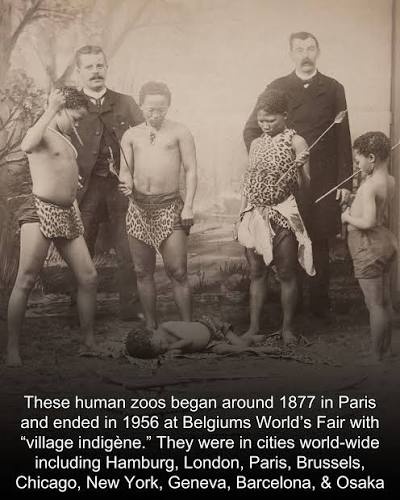
Human zoos (known as Völkerschauen in German or zoos humains in French) were public exhibitions across Europe and the United States from the 19th century until 1958, where indigenous and colonized peoples from Africa, Asia, and the Pacific were displayed as living spectacles. They took place in major cities including Paris, London, Brussels, Hamburg, and New York.
Peak Period
1870s–1930s — the height of New Imperialism and colonial exhibitions.
1 Billion+ Visitors
Across Europe during the peak era — roughly the population of the continent at the time.
Last Exhibition
1958 — the final major human zoo closed early at Expo 58 in Brussels.
📖 The last such exhibition closed in 1958 — but its legacy continues to shape how we reckon with colonial history today.
📜 TIMELINE
From individual curiosity shows to massive colonial exhibitions
Key Timeline and Evolution
From individual curiosities and freak shows to systematic colonial exhibitions, here are the pivotal moments in the history of human zoos.
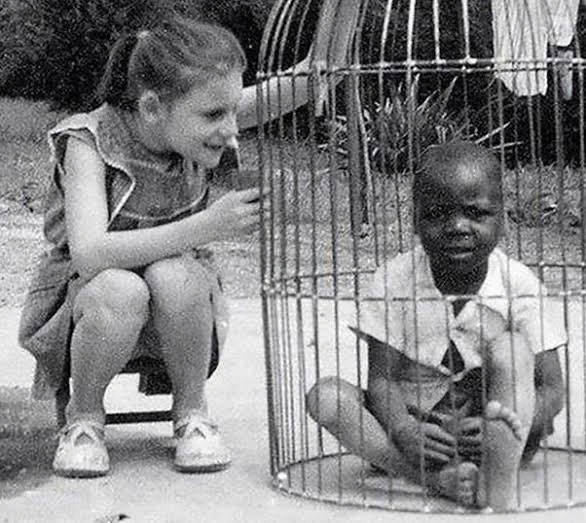
Early 1800s — Origins
Individual curiosities and freak shows gained popularity. Saartjie Baartman (the “Hottentot Venus”) was exhibited in Britain and France.
1874 — Hagenbeck Begins
German animal merchant Carl Hagenbeck began organizing systematic ethnological expositions in 1874, popularizing the format across Europe.
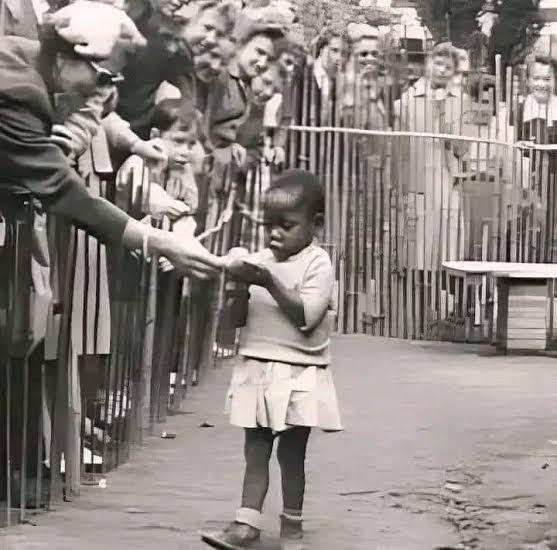
1870s–1930s — Peak
Major cities across Germany, France, Britain, Norway, and Belgium hosted hundreds of shows, attracting over a billion total visitors.
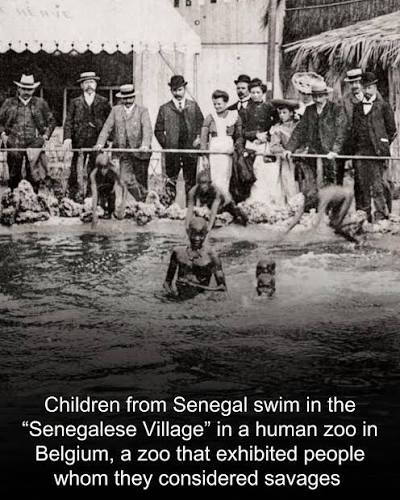
1897 — Tervuren
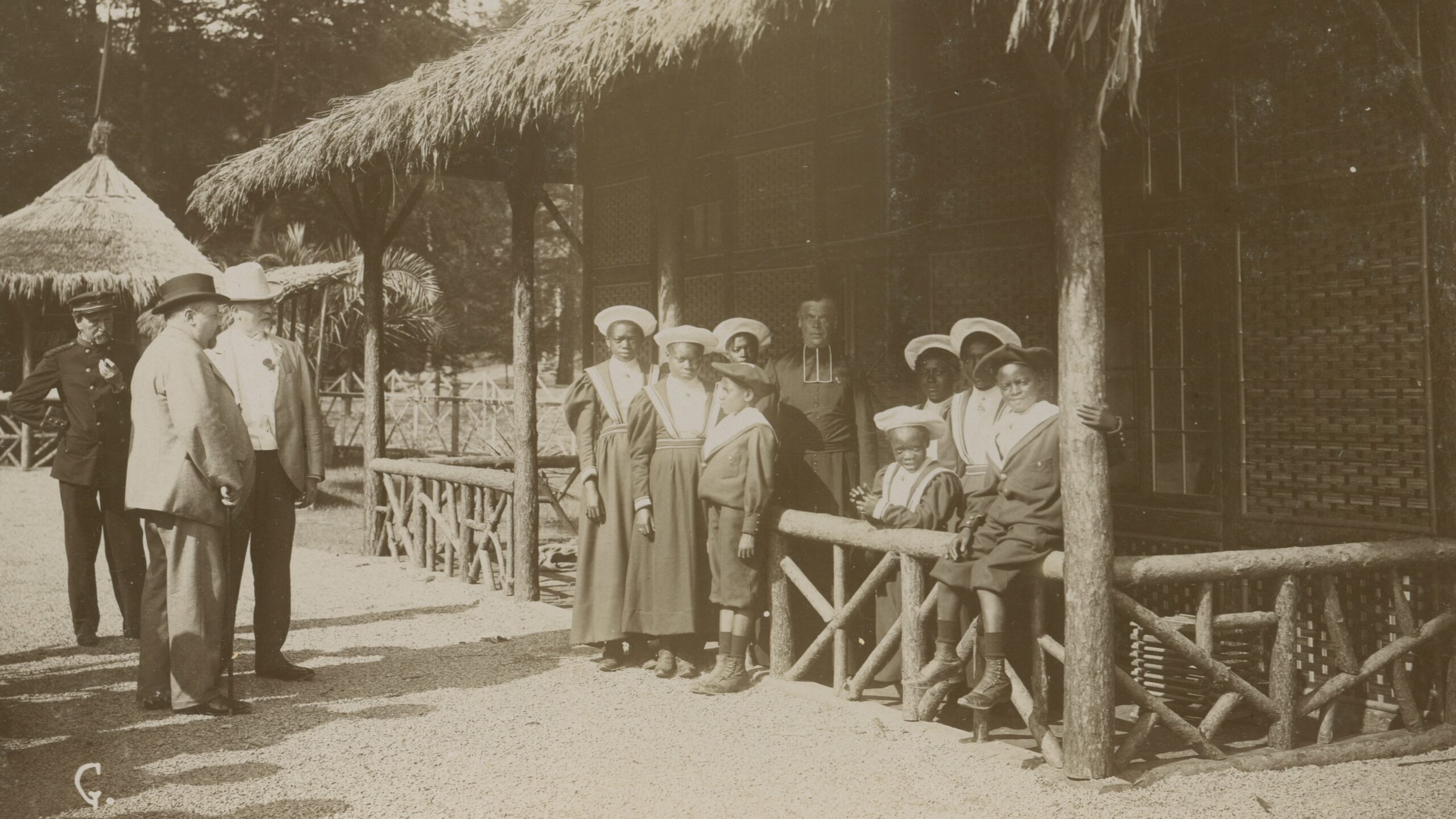
Under King Leopold II, the 1897 World’s Fair in Tervuren featured a notorious “Congolese village” exhibition.
1958 — Expo 58, Brussels
The last major European human zoo featured ~120 Congolese people. Visitors watched, photographed, and sometimes mocked them.
1958 — Early Closure
Strong protests by Congolese students, intellectuals, and participants led the exhibit to close before Expo 58 officially ended.
📖 These shows were framed as “educational” and “scientific” — but they were spectacles of colonial power.
🕯️ A HUMAN STORY
Ota Benga at the Bronx Zoo, 1906
Ota Benga at the Bronx Zoo, 1906
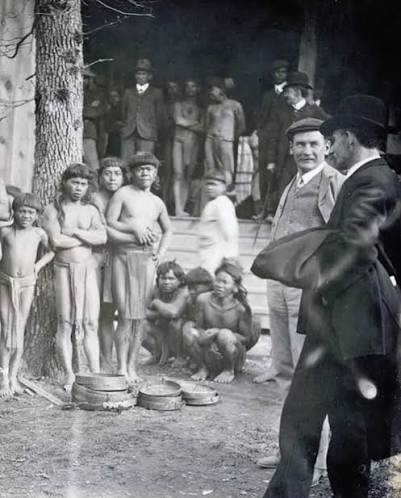
Ota Benga, a Congolese man from the Mbuti people, was displayed in the Monkey House at the Bronx Zoo in New York in 1906. Thousands of visitors came to watch him, and he was encouraged to shoot his bow and arrow and weave baskets for the crowd.
The Display
Displayed in the Monkey House at the Bronx Zoo. Crowds watched him shoot his bow and arrow and weave baskets.
The Protests
African-American clergymen led protests. He was eventually released from the zoo.
The Aftermath
He died by suicide a decade later. His story became a turning point in the public debate about human exhibitions.
🕯️ “I am not an animal. I am a man.” — the sentiment that echoed through the protests.
📍 LOCATIONS
Across Europe & Beyond · Paris · London · Hamburg · New York · Oslo · Brussels
Human Zoos Across Europe and Beyond
While Brussels hosted the final major exhibition in 1958, human zoos were a widespread phenomenon. Major cities across Europe and the United States hosted these spectacles, often drawing hundreds of thousands of visitors.
Paris
Jardin d’Acclimatation hosted “ethnological villages” between 1877 and 1931. The 1931 Colonial Exhibition drew millions.
London
Crystal Palace and Royal Aquarium hosted “native villages.” A “Somali village” was displayed in 1908.
Hamburg
Carl Hagenbeck’s Tierpark was a major center for Völkerschauen. Exhibitions continued into the early 20th century.
New York
Coney Island and the Bronx Zoo hosted “ethnological exhibits.” Ota Benga was displayed at the Bronx Zoo in 1906.
Oslo
“Etnografiske utstillinger” in the late 1800s, tied to Norway’s maritime and colonial trade.
Brussels
Tervuren 1897 and Expo 58 in 1958. The 1930 Antwerp World’s Fair also included a “native village.”
🌍 Human zoos were a continent-wide phenomenon — not confined to a single country.
GENOCIDE
Why this history still matters today
Why This Genocide Matters Today
The history of human zoos is not merely a distant curiosity — it shapes how Europe and European descendants reckon with their colonial pasts today.
Museums Reckoning
The Royal Museum for Central Africa reopened in 2018, explicitly addressing its colonial origins.
Restitution
Across Europe, calls for the restitution of human remains and looted artifacts have intensified.
Dignity & Memory
The stories of Saartjie Baartman, Ota Benga, and the 120 Congolese at Expo 58 are now part of a wider conversation.
🌱 Decolonize History.
Further Reading & Sources
- Royal Museum for Central Africa (Tervuren, Belgium) — permanent exhibitions on colonial history
- Pascal Blanchard et al., Human Zoos: Science and Spectacle in the Age of Empire (Liverpool University Press)
- Anne McClintock, Imperial Leather: Race, Gender and Sexuality in the Colonial Contest
- Documentary: Human Zoos: America’s Forgotten History of Scientific Racism (2019)